
Hello, and welcome to Thrive House IT Newsletter! At Thrive House, we believe technology isn’t just about devices, it’s about enabling safer, smarter, and more efficient care for the people who need it most.
As a dedicated NDIS and child safety provider, we’ve made significant strides in using Microsoft technologies to secure our data, empower our support teams, and align with international standards like ISO 27001.
This monthly newsletter will share insights from our IT journey, from real-life configurations to practical policies and how they directly benefit our participants, staff, and the broader NDIS community.
Whether you’re a fellow provider, tech partner, or support worker, we hope this series sparks ideas, encourages collaboration, and helps raise the bar for digital care in our sector.
Let’s build safer systems, together.
A MESSAGE FROM THRIVE IT
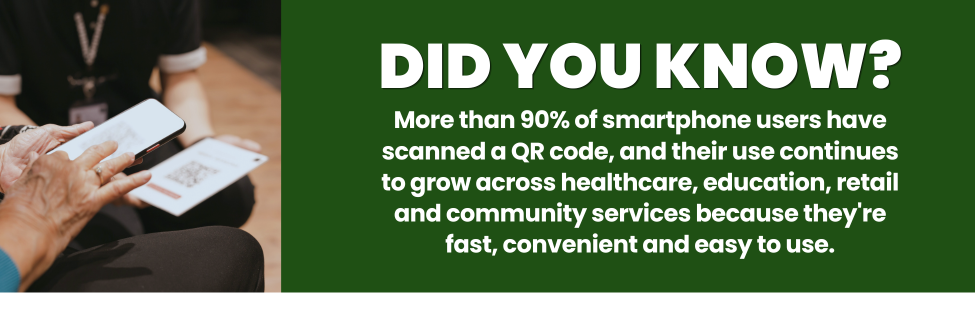
Over the last few years, QR codes have become part of everyday life.
Whether you’re checking into a venue, viewing a restaurant menu, making a payment, or accessing information, a simple scan can instantly connect you to the digital world.
At Thrive House, we believe technology should make everyday tasks easier, faster and more accessible. QR codes are a great example of how a simple innovation can improve the way people interact with information.
WHAT IS A QR CODE
A QR (Quick Response) code is a two-dimensional barcode that stores digital information.
By simply pointing your smartphone camera at the code, you can instantly access:
- Websites
- Digital documents
- Online forms
- Maps and locations
- Contact details
- Videos and learning resources
Instead of typing long web addresses or searching online, a QR code gets you there in seconds.
WHY IT MATTERS IN THE NDIS SECTOR?
The NDIS sector is built around providing timely, accessible and person-centred support. Every minute spent searching for information or completing unnecessary paperwork is time that could be spent supporting participants.
QR codes help make everyday tasks simpler by providing quick access to important information using a mobile phone or tablet.
Across the disability and community care sector, QR codes can be used to:
- Access digital forms and documents
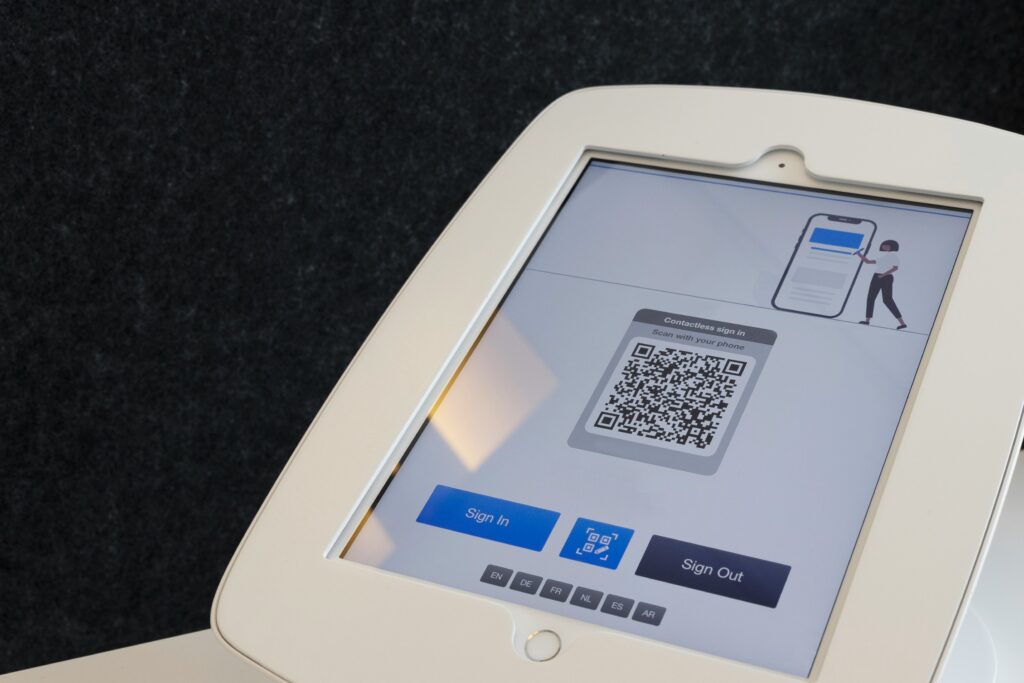
- Simplify visitor and contractor sign-ins
- Link to vehicle or equipment information
- Provide quick access to policies or emergency procedures
- Connect people to important contact information or support resources
By reducing manual processes and improving accessibility, QR codes help organisations work more efficiently while allowing staff to spend more time focusing on what matters most, providing quality care and support.
MICROSOFT’S ROLE IN MODERN DIGITAL EXPERIENCES
As organisations continue to embrace digital ways of working, technology platforms like Microsoft provide the secure foundation that helps make these experiences possible.
Microsoft’s cloud technologies support organisations by making it easier to securely access information, share documents, complete digital forms and collaborate from almost anywhere.
For organisations in the NDIS sector, this means greater flexibility, improved accessibility and the confidence that digital services are backed by enterprise-grade security and reliability.
Technology like QR codes may provide the front door, but trusted platforms help ensure the information behind them remains secure, available and easy to access.
TIP OF THE MONTH
Before scanning a QR code in public, take a quick look around it.
If it appears to have been placed over another QR code or looks tampered with, avoid scanning it and notify the organisation if appropriate.
A FINAL WORD FROM IT THRIVE
Sometimes the simplest technologies have the biggest impact.
QR codes have changed the way we access information, making everyday interactions quicker, more convenient and more accessible.
By using them wisely and staying aware of basic online safety, we can enjoy the benefits of modern technology with greater confidence.