

Every child and young person deserves to feel safe, supported, valued and heard.
For children and young people involved in the child safety system, that sense of safety and belonging can be especially important. Many may have experienced significant change, uncertainty or challenges in their lives. Providing care is about more than meeting day-to-day needs. It is about creating safe environments, building trusting relationships and supporting each child or young person to feel a sense of stability, connection and hope for the future.
At Thrive House, we work with children and young people in the child safety system, and we understand the important role that safe, supportive care can play in their lives.
National Child Protection Week is an opportunity to reflect on why child protection matters, the importance of listening to children and young people, and how individuals, organisations and communities can all contribute to creating safer futures.
Child protection is everyone’s responsibility
Keeping children and young people safe is not the responsibility of one person, organisation or government system.
It takes families, carers, schools, communities, service providers and government agencies working together to create environments where children and young people feel safe and supported.
For organisations providing care, this responsibility is particularly important.
Children and young people need to know that the adults around them will listen, take their concerns seriously and act in ways that support their safety and wellbeing. They need consistency, positive relationships and environments where they can feel respected for who they are.
Creating this kind of care requires more than policies and procedures. It requires a genuine commitment to putting children and young people at the centre of everything we do.
Safe care starts with relationships
Positive, trusting relationships can make a meaningful difference in the lives of children and young people.
For a child or young person in care, having safe and consistent adults around them can help create a sense of stability and connection. Relationships built on trust, respect and understanding can provide opportunities for children and young people to feel supported as they navigate challenges and work towards their goals.
This is why the people involved in a child’s care matter.
From support workers and carers to case managers, teachers and other professionals, every interaction can contribute to a child’s experience of safety and belonging.
Sometimes, the smallest moments can have the greatest impact.
Taking the time to listen. Following through on a promise. Celebrating an achievement. Sitting down for a conversation. Being present when a young person needs support.
These everyday actions help build trust over time.
Listening to children and young people
Children and young people are the experts in their own experiences.
Listening to them and taking their views seriously is an essential part of providing safe and supportive care.
Every child and young person is different, and they may communicate their thoughts, concerns and feelings in different ways. It is important that they are given opportunities to express themselves in ways that feel comfortable and appropriate for them.
Listening is also about more than simply hearing what is said.
It means paying attention, asking questions, creating opportunities for meaningful participation and responding when a child or young person raises a concern.
When children and young people know their voices matter, they are more likely to feel respected, included and supported.
From conversation to action
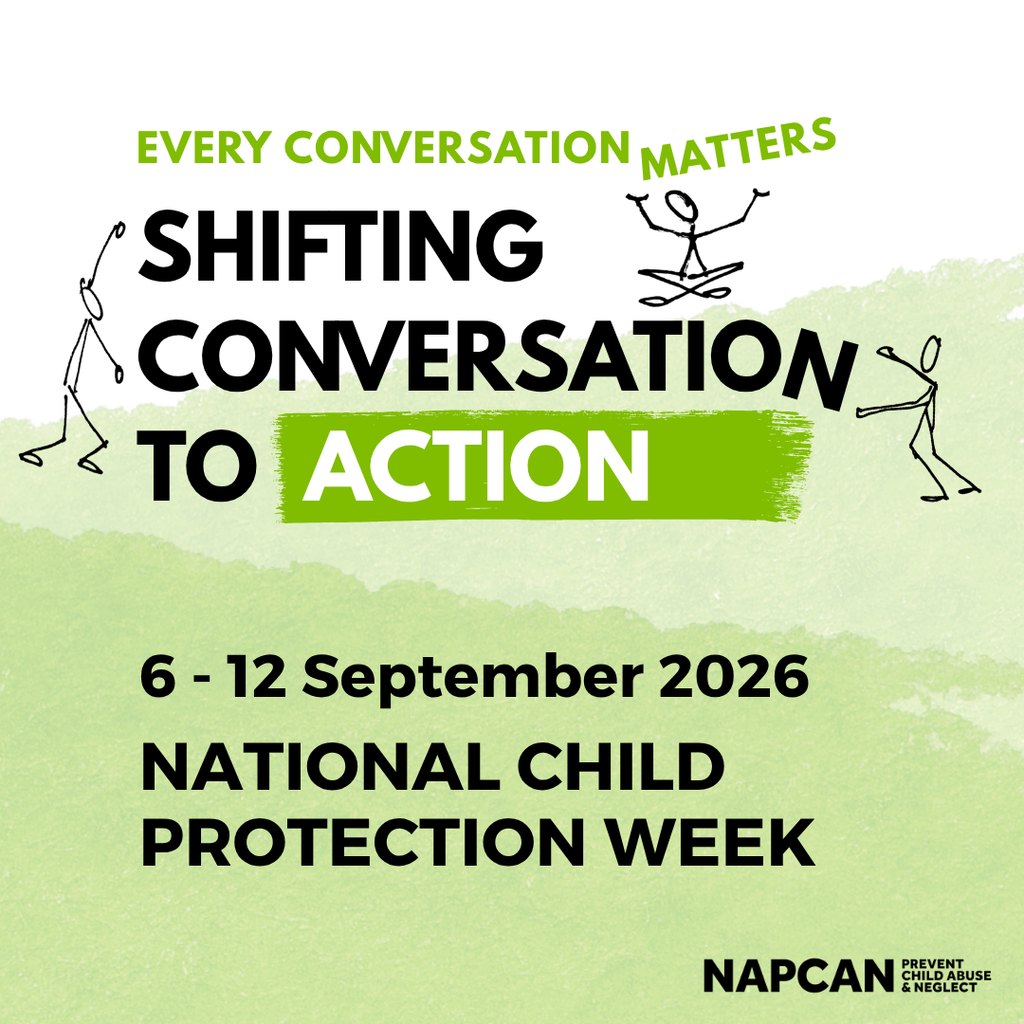
This year’s National Child Protection Week encourages us to recognise that every conversation matters and to consider how conversations can lead to meaningful action.
For organisations like Thrive House, this means continually asking ourselves important questions:
- Are we creating environments where children and young people feel safe to speak up?
- Are we genuinely listening to their experiences and perspectives?
- Are we responding appropriately when concerns are raised?
- Are we involving children and young people in decisions that affect their lives?
- Are we continually looking for ways to improve the care and support we provide?
Conversations are important, but action is what creates change.
Listening to a young person’s concern should lead to meaningful consideration and an appropriate response. Identifying an opportunity to improve should lead to action. Recognising a gap in support should encourage us to work together to find a solution.
Every conversation can be an opportunity to learn, improve and create better outcomes.
The importance of safe and supportive communities
Children and young people do not exist only within the child safety system. They are part of families, schools, friendship groups, sporting clubs and communities.
A safe and supportive community can help a child or young person develop a sense of belonging and connection beyond the services involved in their care.
Communities can make a difference by being welcoming, inclusive and supportive of children, young people and families.
This might involve creating opportunities for participation, encouraging positive connections, supporting young people to pursue their interests or simply making sure they feel included.
For young people in care, feeling connected to their community can be an important part of building confidence, independence and a sense of belonging.
Working together for better outcomes
Supporting children and young people in the child safety system requires collaboration.
No single person or organisation can meet every need a child or young person may have. Positive outcomes are supported when the people and organisations involved in their lives work together, communicate effectively and remain focused on what is in the best interests of the child or young person.
At Thrive House, we recognise the importance of working alongside children and young people, families, carers, government agencies, schools and other support services.
By working together, sharing knowledge and keeping children and young people at the centre of decision-making, we can help create more consistent and supportive experiences.
Our commitment to children and young people
Providing care comes with a significant responsibility.
It means creating environments where safety is a priority. It means supporting children and young people to have a voice. It means building relationships based on trust and respect.
It also means continually learning, reflecting and looking for ways to improve.
At Thrive House, our commitment is to provide safe, supportive care that recognises each child and young person as an individual, with their own experiences, strengths, needs and goals.
National Child Protection Week reminds us that protecting children and young people is about more than responding when harm occurs. It is also about creating the conditions that help them feel safe, connected, supported and able to thrive.
Every conversation matters.
Every relationship matters.
And every action we take can make a difference in the life of a child or young person.
By listening, supporting and working together, we can all play a part in creating safer, stronger and more supportive communities for children and young people.
For more information and resources about National Child Protection Week, visit NAPCAN’s National Child Protection Week page.